
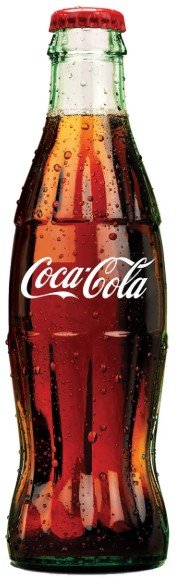
The Medicine Cabinet That Became a Billion-Dollar Habit
There’s something oddly comforting about a cold glass of Coca-Cola. For many of us over 60, it’s more than a drink – it’s a memory. But the story behind it? That’s where things get interesting … and a little ironic.
It all began with John Stith Pemberton, a pharmacist in the late 1800s who created what he believed was a medicine and was sold as a temperance drink. That’s right -your favourite fizzy treat began as a health tonic. And not exactly a mild one either. The original formula contained alcohol, caffeine, and even cocaine. In other words, it wasn’t just “refreshing” – it was probably very convincing.
The “Medicine” That People Didn’t Want to Stop Taking
Now, whether it actually cured anything is debatable. But one thing was clear: people liked it. A lot. Perhaps too much. Funny how that works. 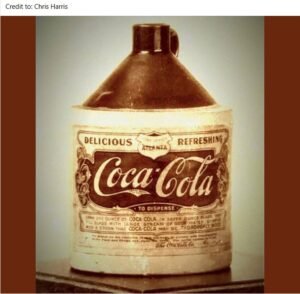
Enter Asa Griggs Chandler -a pharmacist with a sharp business mind. He purchased the rights to Pemberton’s formula and saw something bigger than medicine. He saw habit and said, “Forget curing people – let’s sell it to them forever.” He removed the more eyebrow-raising ingredients, polished up the formula, and turned it into a business empire. Because if people enjoy something, the logical next step is to sell it to them … repeatedly … for the rest of their lives.
The Recipe: Still a Mystery
To this day, the exact formula is a closely guarded secret. Only a few people know it, and they’re probably not allowed to travel on the same plane. Is it really that special? Or is it just sugar, caramel colour, and a brilliant marketing story? At this point, it doesn’t matter -the mystery is part of the flavour.
Loyal Customers Don’t Like Surprises
Coca-Cola didn’t just become popular, it became untouchable. Generations grew up with it, trusted it, and – most importantly – refused to let anyone mess with it.
Which brings us to 1985, when Coca-Cola decided to improve perfection. Bold move. They introduced “New Coke,” and the public reaction was somewhere between outrage and betrayal. People didn’t just complain – they revolted. You’d think someone had cancelled coffee.
Within months, the company backed down and brought back the original. Moral of the story: don’t fix what isn’t broken – especially when your customers have been drinking it longer than you’ve been alive.
Meanwhile, the Other Guy…
While Coca-Cola was busy apologizing, Pepsi-Cola stepped in with a grin, marketing itself as the choice of the younger, cooler crowd. The cola wars were on. Because nothing says excitement like two companies arguing over sugar water.
Big Numbers, Long Shelf Life, and Even Longer Habits
Today, Coca-Cola is everywhere. Billions of servings a day. It’s less a drink and more a global routine. And the shelf life? Long enough to survive your best intentions to “cut back starting Monday.”
You know the drill – you buy a case for guests, and somehow, you’re the guest.
The Part We Pretend Not to Hear
Here’s where things get slightly less amusing. Drinking too much of it isn’t exactly doing your body any favours. Excess sugar can lead to weight gain, heart issues, and conditions like Type 2 Diabetes.
And at our age, our bodies have a wonderful way of saying, “Oh, you thought we were still 35? That’s adorable.”
So … Should You Quit?
Should you swear it off forever? Relax -this isn’t a lecture.
Have one. Enjoy it. Let the fizz remind you of simpler times. Just maybe don’t treat it like it’s still medicine … because if it were, the dosage instructions would be very different.
In the end, Coca-Cola went from a questionable cure to a very successful habit. And if there’s one thing we’ve learned over the years, it’s this:
Some habits are hard to break.
Especially the ones that come chilled, carbonated… and just a little bit nostalgic.